Call room A
Call room B
Kitchen and table
Living space
Two-caller couple
Separate call spaces matter when meetings overlap or one person works later across time zones.
Workation planning for groups
A workation with three people and three calendars is a logistics project before it is a holiday. Ace Nomad plans around each person's working hours, privacy needs and reason for going, so the practical details are clear before you book.
Start with the people
The right plan depends on who needs quiet, who needs company and when everyone has to be online. Select a profile to see what we check first.
Couples workation planning begins with call overlap, time zones and how much uninterrupted time each person needs.
A useful plan names the busy hours before choosing the accommodation.
Family remote work travel works best when children have somewhere to learn, play and wind down.
Children need a routine they can recognise.
A remote team retreat abroad needs a reason to gather, plus enough quiet space to keep normal work moving.
The schedule should leave people room to do their jobs.
Accommodation, checked properly
A listing can look spacious and still leave two people taking calls at the kitchen table. We look at how each room works across a normal weekday.
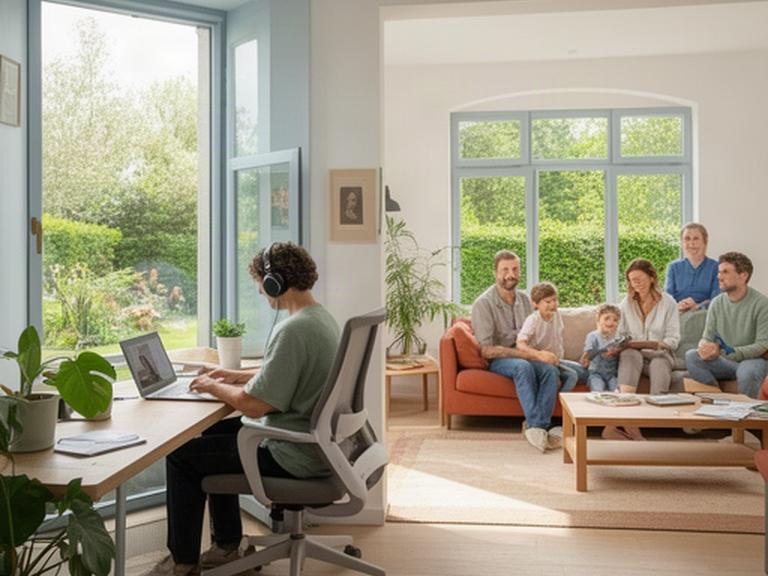
Separate call spaces matter when meetings overlap or one person works later across time zones.
We check where schoolwork can happen, how the living areas connect and whether outdoor space feels suitable.
Headcount, bathrooms, privacy and a shared area all affect whether the property suits a full work week.
Make shared space workable
Agree the small rules before departure. A headset, a lamp and a clear signal for a live call can prevent a week of interruptions.
Times are a planning example, not a fixed timetable. We adjust around your actual working hours.
Clear details for decision-makers
An employer-ready workation plan sets out the proposed location, work hours, connectivity arrangements and escalation contacts. It gives a manager something concrete to review before approving travel.
We can prepare the practical plan and flag questions about time zones, data handling and device security. Your employer makes the approval and policy decisions.
Discuss your workation planState the proposed address or accommodation area, the intended dates and the hours you will work in your home and destination time zones. "My core working hours will be 09:00 to 17:00 UK time, with meeting cover agreed for the two-hour time difference."
Record the expected connection, how it will be checked and what you will do if it drops. Avoid presenting an untested speed as a guarantee. "I will test the accommodation connection on arrival and use a local mobile hotspot if the primary connection fails."
Set out the agreed use of company devices, secure networks, screen privacy and any employer requirements for handling sensitive information. "Company work will be completed on the managed device, using the employer's approved access and security settings."
Show how meetings and handovers will be covered, then name the work contact to use if a disruption affects availability. "The team calendar will show my local working hours, and urgent issues will follow the usual manager escalation route."
A retreat with a working purpose
A useful team week has a few clear shared sessions and enough unstructured time for people to finish their work. We plan the rooms and meeting space around that balance.
A practical first conversation
Share your group size, children's ages if relevant, working hours and preferred travel window. We will use those details to identify the main planning questions and a sensible next step.
The first conversation is exploratory. You can also call us on +44 7700 071307 or email [email protected].